Thursday, 28 April 2022

Positive first impressions

Hello everybody! I am Felicia from Italy and I will be working as Junior EU Aid Volunteer in the education field at Kikooba Infant & Primary School for the next six months. In this adventure, I will be supported by NGO Mondo, my sending organization, and Uganda Pioneers Association (UPA), my hosting one.


Kikooba

Kikooba is a small rural village in Central Uganda, situated at 80kms from the capital Kampala. Kikooba Infant & Primary School was formed as a private school by the community to create an opportunity for the orphans and vulnerable children in the community to attend school. 


The main aim of my position is to improve the quality of education in Kikooba School and to raise awareness of the importance of education in the community as it is facing an increase of dropouts among students, especially girls. Through a sustainable approach and according to the needs of the school, teachers, and children, the aim is to: 

  • organize workshops and training for better school management and different teaching methods; 
  • accompany and supervise extra-curricular activities in the school;
  • assist with Mondo Child Support Program.

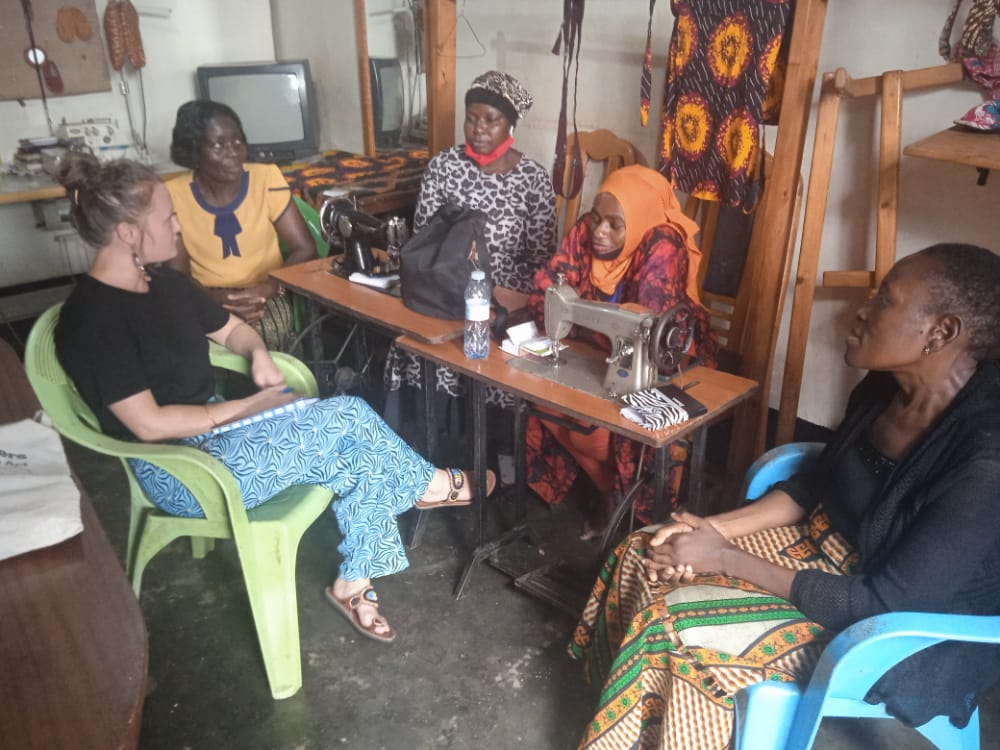
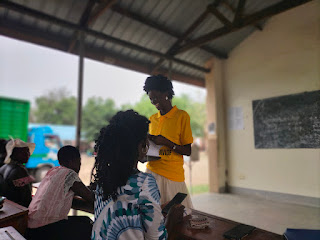
I will be fully engaged and get accommodated by the Kikooba community and in my first week of induction, I had the opportunity to meet the School Director and the teachers (image above), some members of the Kikooba UPA branch, local authorities, and my host family. I was surrounded by the students joining their last day of school before the holidays and it was the best welcome I could ever receive. 

Kikooba Infant & Primary School Teachers


Kampala, Gulu and Rwamwanja

Sunset at Villa Mamu
During this first month of deployment, I could live the chaotic energy of Kampala. In the first days, I felt overwhelmed by the noise and the smog of the capital, the heat, and the attention I received because I was the new mzungu in town, the continuous bargain you have to do for everything you want to buy. After this time of adaptation and with an open mind, I can say I received a warm welcome from the team and the locals. I already found my favorite spots in the city, my sellers' ladies at the market with who I can practice my Luganda, and a big crazy family in Villa Mamu.

As Kikooba School was closed for the holidays, I followed my EUAV colleagues on the field. 


Training of Trainers in Gulu
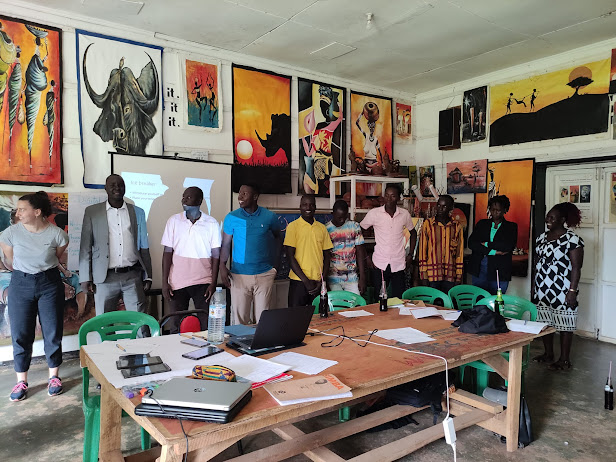
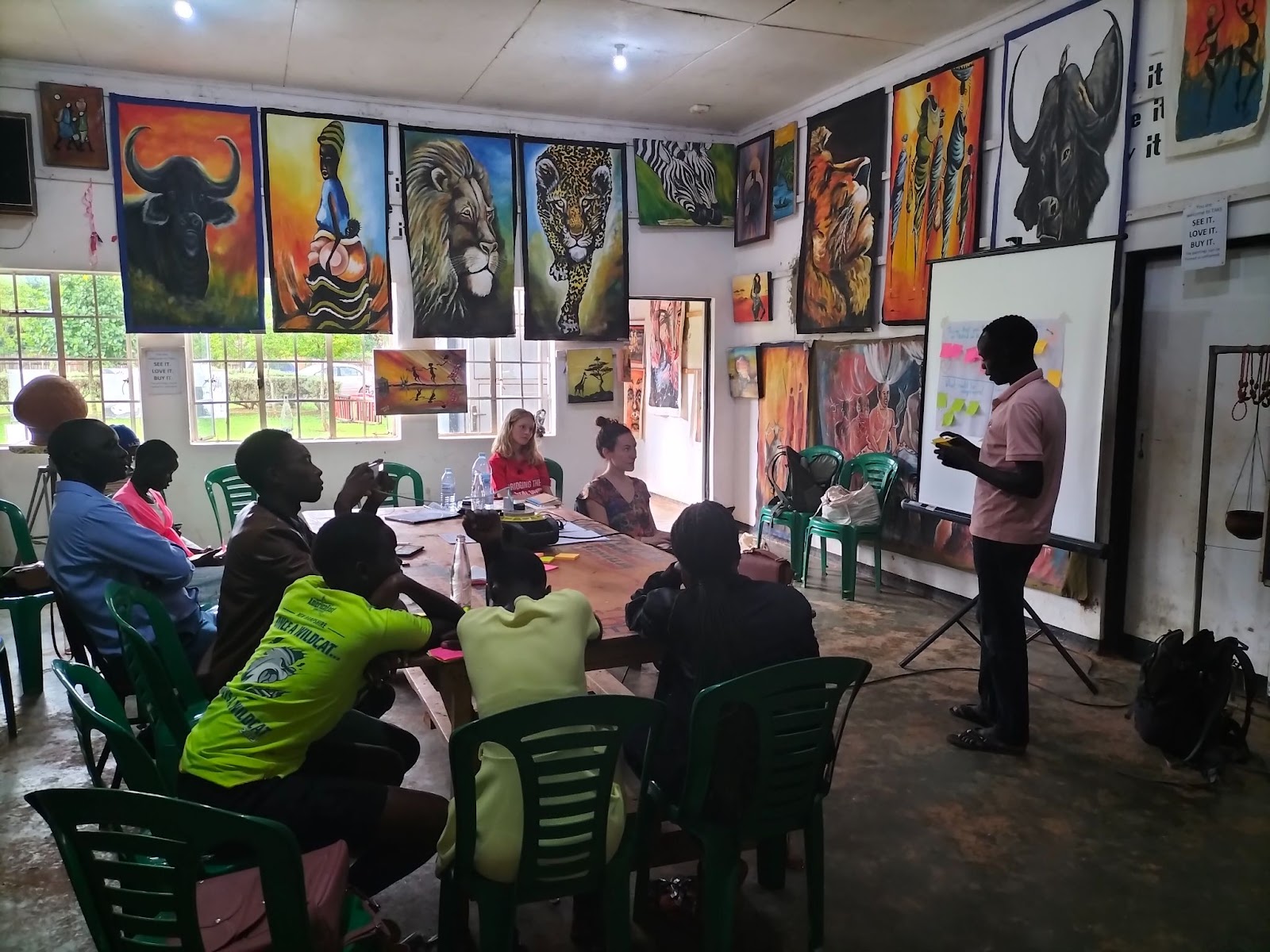
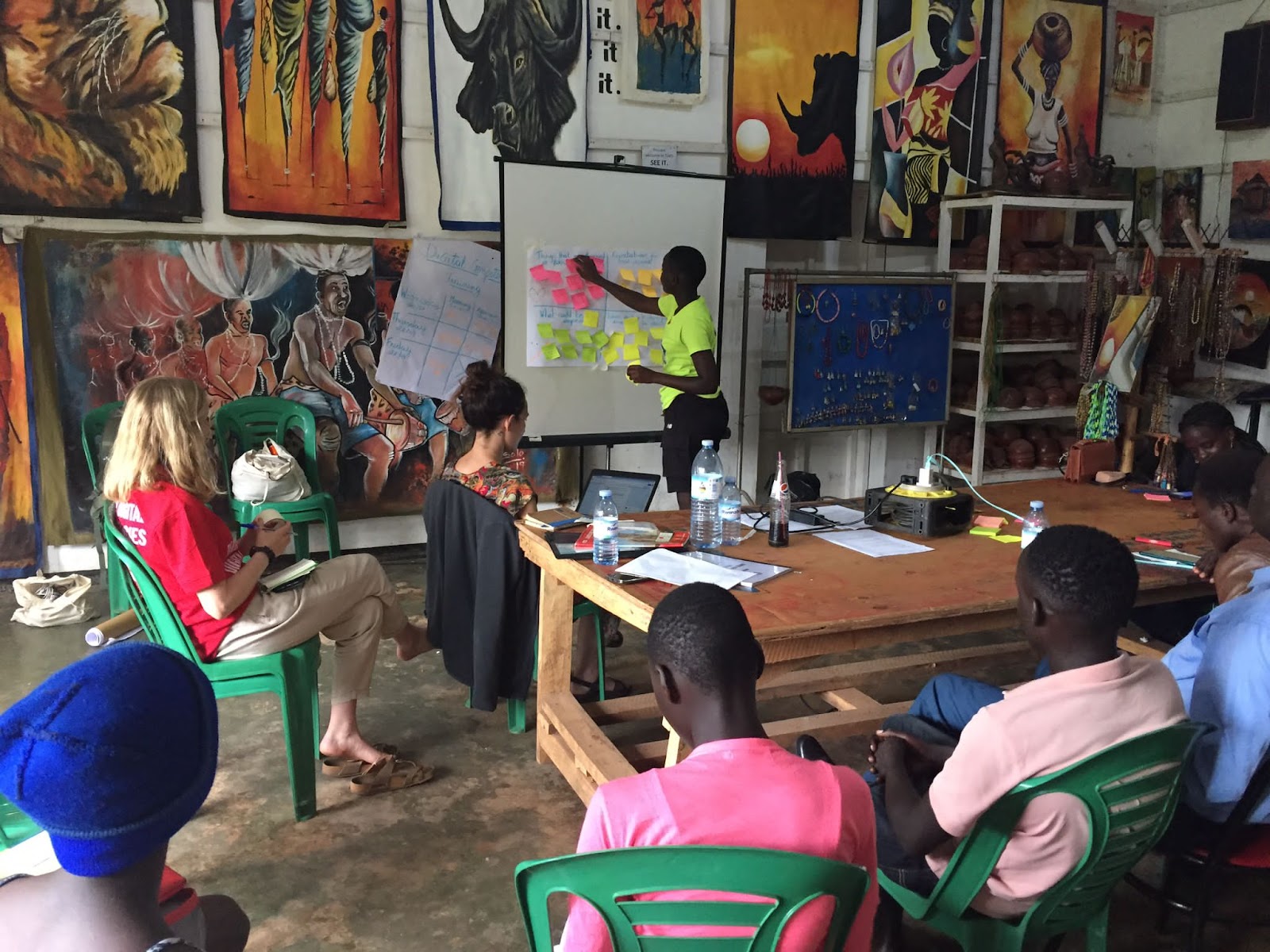
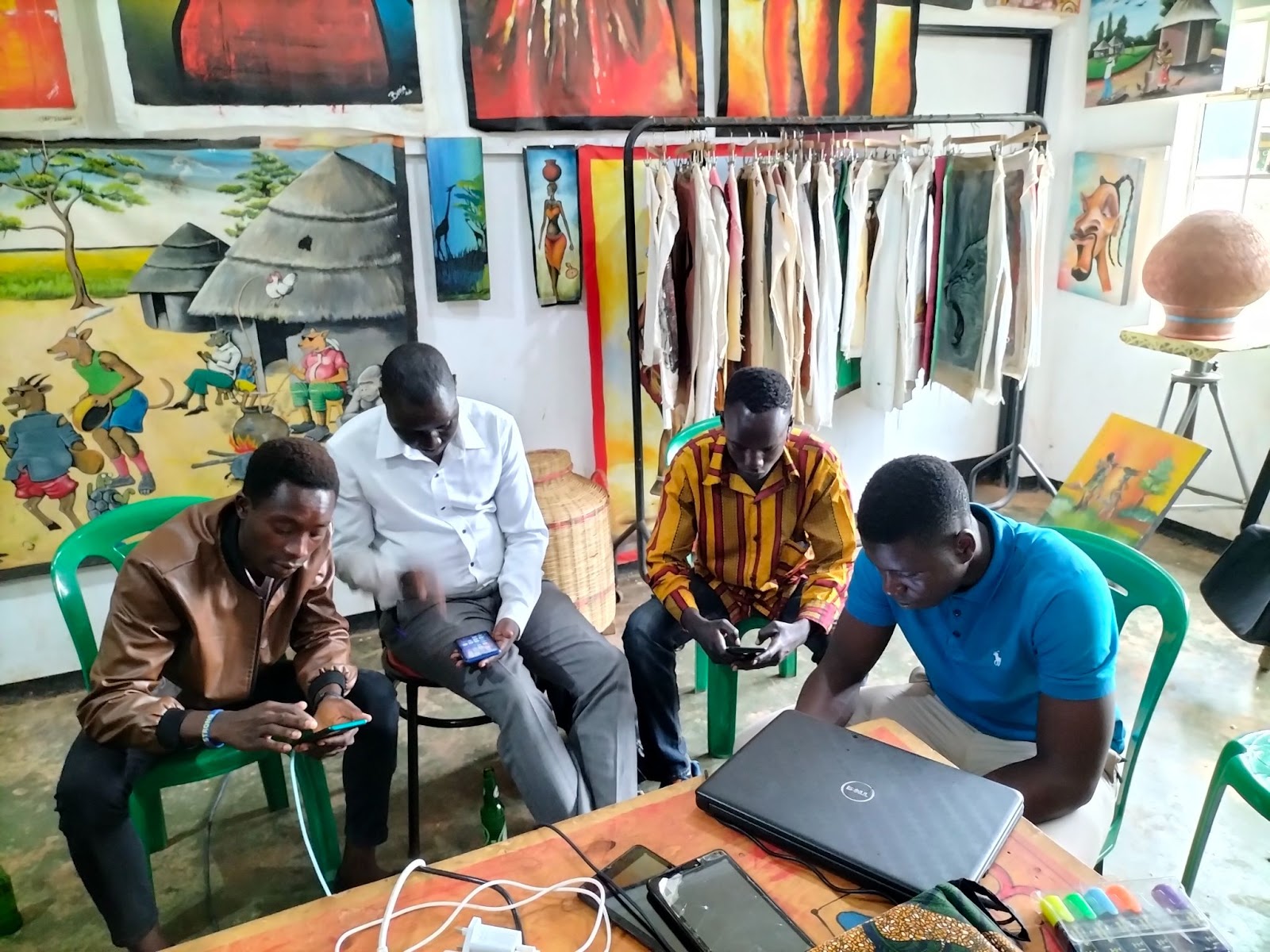
Ambra and Clarisse organized two trainings for the members of the UPA branch in Gulu. Using smartphones and rented tablets, the beginner's group had the opportunity to be trained on basic ICT skills while the advanced group could gain more knowledge and tips on how to train new future trainers for a sustainable approach to Mondo program. Enjoying this training while I was surrounded by amazing local art at the Taks Center was an incredible experience.

Training of Trainers in Rwamwanja
Last week of April, I was with Clarisse, Edi and Cliff (Mondo trainers) and Judith (Mondo Livelihood Programme Coordinator) in Rwamwanja. They organized 3-days-ICT training for the trainers of Finn Church Aid (FCA) who are working with refugees and host community youth in Rwamwanja Refugee settlement. It was an opportunity to share difficulties and challenges between trainers and to explore new solutions and ideas to improve their work for the next sessions.


Time flies in Uganda and I'm super excited to start my adventure in Kikooba, see you next month for the updates!

Wednesday, 27 April 2022

After the observation phase, it is time to act!

It has already been two months that I am in Uganda and time flies!

I continue to meet new partners in order to assess their ICT training needs. As part of the first meetings, we always assess the sustainability of the future project to be sure that it will create long-term impact. 


CEFOVID

CEFOVID (Community Empowerment For Village Development) was one of the partners I met. Their mission is to challenge and respond to the causes and consequences of vulnerability and poverty. They mobilize communities by giving them the skills they need to overcome their challenges and live a self-sustaining life with dignity.

We have decided to organise together a Digital Competencies training for their members (youth leaders, tailors and teachers).

Some of them already have basic digital skills and will help us delivering the training as ICT assistants. We will simultaneously train them to become trainers so they can continue delivering the training by themselves afterwards.


 KYAKA Refugee Settlement

I also experienced conducting my first Training of Trainers (ToT) in Kyaka Refugee Settlement. This training is part of a project entitled "Transforming digital learning to earning in Kyegegwa District". 

The objective of the project is to improve the business oriented digital competences of 160 young entrepreneurs.

With the skills acquired during the ToT, the trainers are now able to train the learners in market-relevant and business-focused digital skills. We focused mainly on business planning, business management, product development and digital marketing. 

I was accompanied by two Mondo trainers and it was useful to work together and share our experiences. We also tried different participative approaches and got good feedback from the learners.


Updates from Kampala and beyond

I’m almost coming up to the end of my second month in Uganda, and it feels like it’s been a long time since I’ve arrived!

April has been a nice mix of catching up with things to do, planning, travelling and training delivery. It feels like in the chaos of Kampala, things start being in their place and everything seems more familiar. 


YARID

Young African Refugee Integral Development is a Kampala based grassroot organisation founded by young Congolese refugees living in Uganda. They tackle social issues such as lack of employment and access to education, by empowering young refugees, asylum seekers and (mostly coming from DRC, Rwanda, and Burundi), by offering vocational skills training, English classes and sport activities. YARID have been partnering with MONDO as we trained their ICT instructors through the Digital Competencies Training (Training of Trainers - ToT) and have so far successfully taught digital skills to 236 young people. 

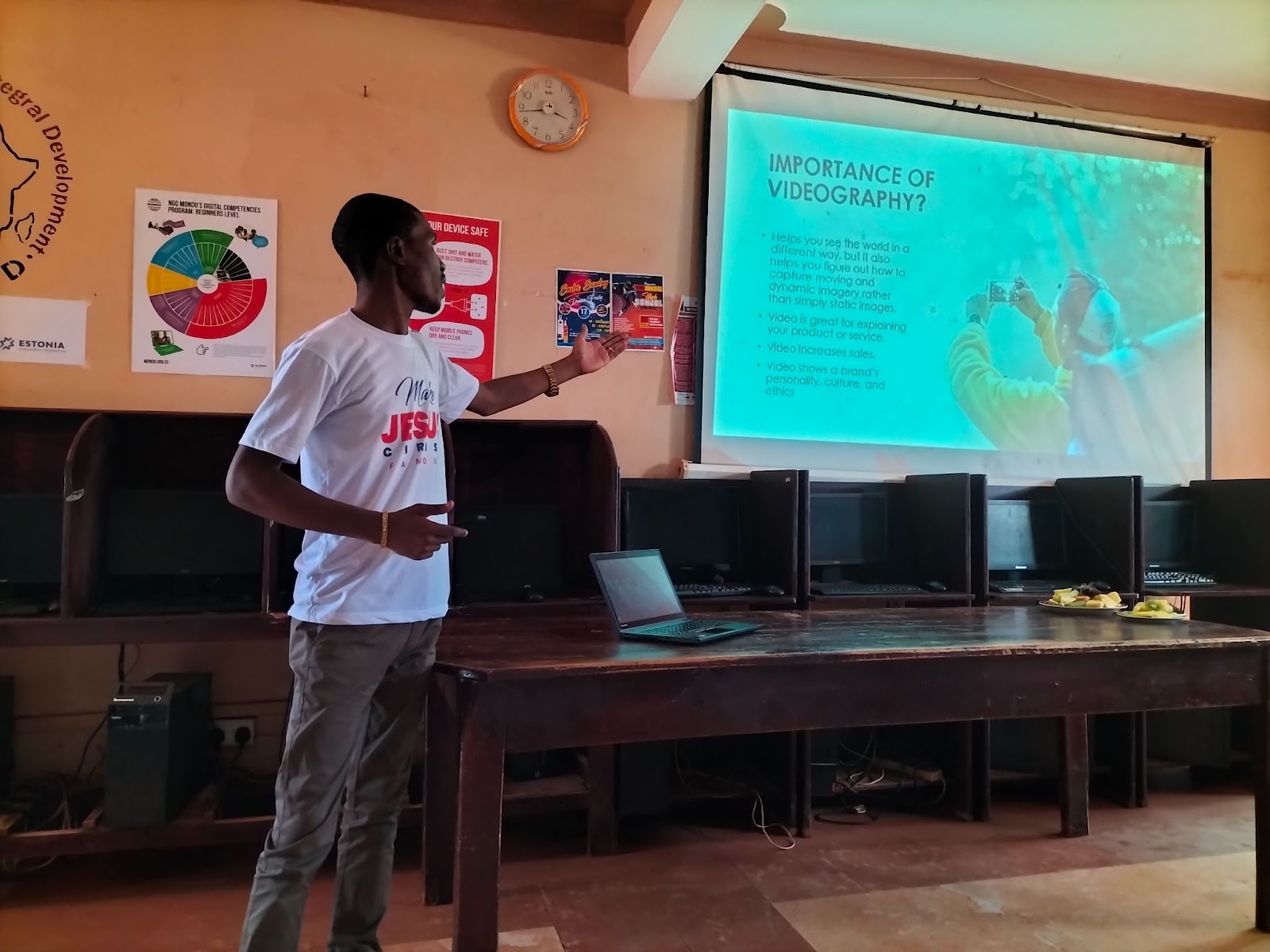
Early this month, Clarisse and I organised a second ToT for the instructor to focus on topics that were specifically requested by them, namely improving students’ engagement techniques including energizers, communication, presentation skills, and conflict management within the classroom, which were aimed to enabling improving their teaching practices. We not only appreciated the engagement of the teachers, but also the commitment they showed to continue the project and the passion they demonstrated in passing on the knowledge to the youth. 


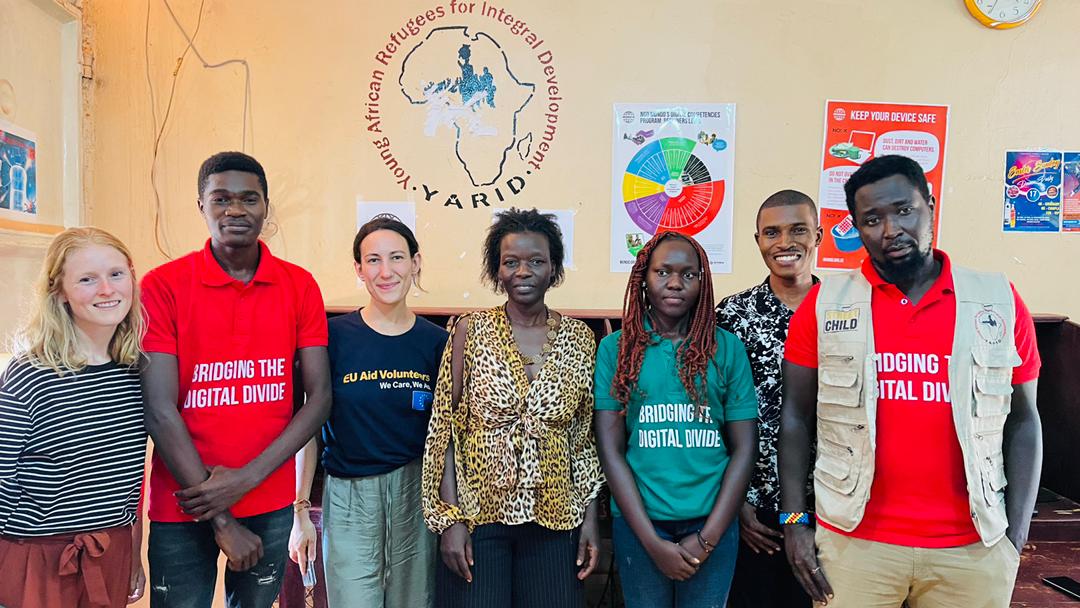
Some of YARID  teachers' team, Ambra, Clarisse (EUAV) and Judith, Livelihood Programme Coordinator


One of the teachers practicing presentation skills

Sunny day selfie at YARID!


Gulu

After a month, we were back to Gulu this time to deliver our first training sessions to the members of UPA branch. The full EUAV team (Clarisse, Felicia, Sophie and I) travelled up north and spent 3 full on and exciting days running different activities. With the help of the representatives of UPA in Gulu, Clarisse and I organised 2 separate trainings, one aimed directly to train on basic ICT skills using smartphones and tablets the beginners of the group, and one to train future ICT trainers within the members. Both the “general” and ToT reached 23 people altogether, all coming from different age groups, jobs, interest and knowledge. 


It was great to see young people learning alongside adults, helping each other and sharing insightful feedback and ideas for the next sessions. We will see these amazing groups in May to deliver the second part of the training! 


Ice breaker activity 


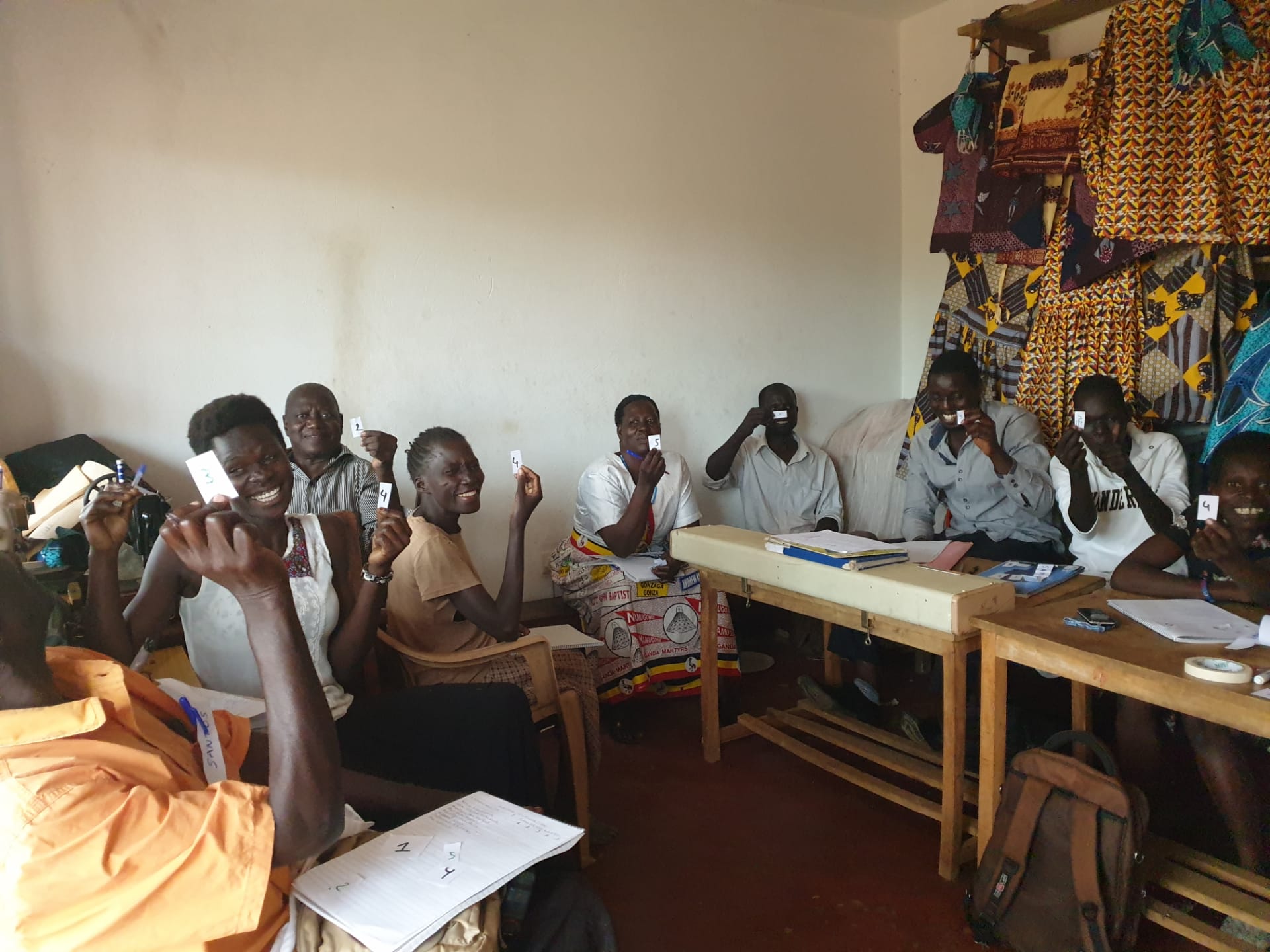
Feedback and expectations activity


Some of the future ICT trainers from UPA


This training was made possible thanks to the use of microfinance: The EUAV are able to spend 125 euro a month on costs related to training material, equipment and venue rent. Whilst the Taks  (Art) Centre in Gulu was our workspace for three days, Maendeleo Foundation in Kampala rented us 8 tablets that we’ve given to the participants who did not have a smartphone to practise on, for the duration of the training. Tablets and smartphone in fact, use the same android system, which made it easier for people to follow the class and learn some useful tools such as creating a Gmail account and sending emails, web browsing and learning about online safety, to name a few. 


The tablets we rented from Maendeleo Foundation


But what happens on the backstage, on those days with no training to plan or to deliver? 

From researching and reaching out to potential motivational speakers for MONDO Education and Livelihood programmes, to drafting story collection concepts, to creating register templates, all the little things that hopefully help our partners and our main projects to thrive and function at their best. I have been a bit unwell this month but when not in the office I can rely on my four pawed mini helpers. 


The work-from-home mini helpers :)


UPA branches’ members will be amongst our protagonists next month, as we are planning training and meetings to optimise our time here and ensure a sustainable method of passing on the knowledge to new members. 


 I am looking forward to seeing what this May brings :) 


Ambra


Thursday, 21 April 2022

Feedback after two months in Uganda.

Time flies! 
I have been in Uganda for about 2 months now. 
Kampala is a vibrant city where one has endless possibilities and working with 3 groups surely keeps me busy. 
Time does fly but the tailoring and basket weaving groups have been serious and have done a lot of work already. 

I am working with 2 groups of tailors with disability in Kampala and Gulu, and 1 group of basket weaving women in Kikooba. 
The aim of the project is to develop their small scale business in a sustainable way. 
In addition to that, as I did when I was working in Kenya, I am using a problem-solving approach called the Positive Deviance Approach.  
The approach builds capacity with expression/reflection/analyse exercices concerning the groups' challenges and their reasons, main goals and their objectives and common behaviors to see what needs to be improved, kept or modified in terms of behaviors. The approach also uses Positive Deviants, which in this case would be successful/working tailoring and crafts groups around their areas, that the groups go visit and interview on different topics in order to have local examples, advice and sustainable solutions to their current challenges. 
The approach also teaches groups to build a realistic action plan to solves their challenges and reach their goals. And with those skills solve futur challenges and plan towards other goals. 

We are almost done with the preparation phase of the action plan with the Kampala group: KDI. We are meeting 3 times per week and the group is advancing very well. Here are pictures of their visits. In total, they had visits from or visited 6 different tailoring groups and fashion designers around Kampala:


Kikooba group is at the stage of visiting other basket weaving groups as we are only meeting once per week. The next step will be to gather the information and create the action plan.


Lugoro Tutte tailoring group is also at the stage of meeting other groups as we are meeting more or less once per month. More photos will come in the next post. 


Although the groups have different rhythms of work, they are very motivated and grasp the amount of information well. 

After the interviews, the teams gather all the information into the different challenge topics as shown on the picture below.  
In the next post I will show you how the groups put the solutions to their challenges and activity to reach their goals into an organized action plan.


Monday, 21 March 2022

March 2022 - An exciting welcome to Uganda

Hey there! My name is Ambra and I have just joined the MONDO team as an EU Aid Volunteer in ICT and Communication in Kampala, Uganda. 

I’m supporting the team in the areas of Education and Livelihoods, with the implementation of the Mondo Digital Competence Program (DCP) with various partners across the country. The program is aimed on the one hand, to train ICT instructors to pass on the knowledge to their students, on the other, to involve and empower vulnerable communities such as Refugee Populations across the country, to increase the income opportunities and accessing education, by bridging a skill gap in information technology, which has become more visible after COVID-19. 


I am lucky enough to have an amazing team already: the other EUAVs Clarisse and Sophie, Mondo Uganda’s team and Uganda Pioneers Association, our hosting organisation. 


In my first and second week I was already hitting the road to do a needs assessment and monitoring field visits. Throwing myself straight to the deep end actually helped me having a wider perspective on the projects implemented, and ultimately let me appreciate the stunning nature of the northern regions. I filled my eyes with the green of the tropical plants, the brown of the huts, the red of the dusty road, the yellow painted shops, the pale blue almost foggy sky, the bright detailed patterns of the fabrics worn by the people, the multicoloured uniforms of the children running to their remote schools, as we passed by village by village. 


Gulu

The 8 hours journey was worth it - not only for getting to know my amazing team better - but also because UPA members of the Gulu branch met with us to understand whether there should be scope for organising ICT training. The group was really friendly and really committed to learning. Clarisse (my colleague EUAV who works with me on the Digital Competences Program) and I will be discussing the findings and try to prioritise the most urgent upcoming training, and maybe we’ll be back to Gulu soon! 

Nakasake

Not too far this time, this one day trip to a beautiful green and peaceful school, was aimed to monitor how the DCP was implemented in a teacher’s school in Nakasake. I’ve learnt how delicate the balance is between understanding the several limitations for teachers not to be able to follow time schedules in the teaching, but also the priorities that us, as an organisation must follow, with time and resources being definitely some of these. 


West Nile

Once again travelling towards the North of Uganda, close to the borders with South Sudan. Here, two of the largest Ugandan Refugee Settlements are based. Mondo DCP has been integrated in the vocational training courses implemented by Norwegian Refugee Council (NRC) in Yoyo (Bidibidi Refugee Settlement in Yumbe) and Ocea Zone (Rhino Refugee Settlements in Madi-Okollo and Terego districts).

Some background information on these settlements:

Bidibidi Refugee Settlement hosts over 270,000 South Sudanese refugees fleeing the ongoing civil war, and as of early 2017 it was the largest refugee settlement in the world 1.

Rhino Camp Refugee Settlement was opened in 1980 and expanded in the wake of the South Sudanese civil war to host the sudden influx of refugees into Northern Uganda 2. As of January 2018, the settlement had 123,243 registered refugees, mostly South Sudanese, and continues to receive new arrivals.3


Here we conducted monitoring of the current projects implemented with NRC, where the ICT instructors we’ve trained are carrying out the Digital Competence Program to the locals and refugee learners in the settlement. Despite the obstacles they faced, namely network issues,  language barriers and learners’ family duties (especially for young mothers), both the instructors and the learners were fully committed and eager to learn. Based on their feedback, it seemed like learning to make optimal use of a smartphone was enabling them to broaden their knowledge and ability to research on various topics, to connect with others and ultimately to become more independent.  

Finally, I was particularly stunned by the resourcefulness of the members of Creativity 4 Development , a small grassroot organisation, funded by refugees who opened a repair cafe for electronic devices and offer skill based workshops to the members of the refugee community in Eden Zone, in Rhino Camp, with a focus on youth and gender. Also, their aim is to enable a sustainable way to dispose of e-waste. With them, we discussed the opportunity to collaborate in the future and assessed their needs.


I’m looking forward to the next adventure, enjoy Kampala and to get to learn about this wonderful land!


Watch this space ⭐


Wednesday, 16 March 2022

New project - Same motivated volunteer

My name is Sophie, I am a fashion designer, entrepreneurship and sustainable development trainer from Belgium. 

I came back from working with Mondo in Shianda village, Kenya 2 months ago. The Kenyan experience was amazing and so, I decided to work one more time for Mondo in the EUAV program on another tailoring and sustainable development project, in Uganda. 

This project consists of supporting and training 3 groups of tailoring and crafts towards sustainability and independence. 

The first group I am working with is called Kampala Disabled Initiative
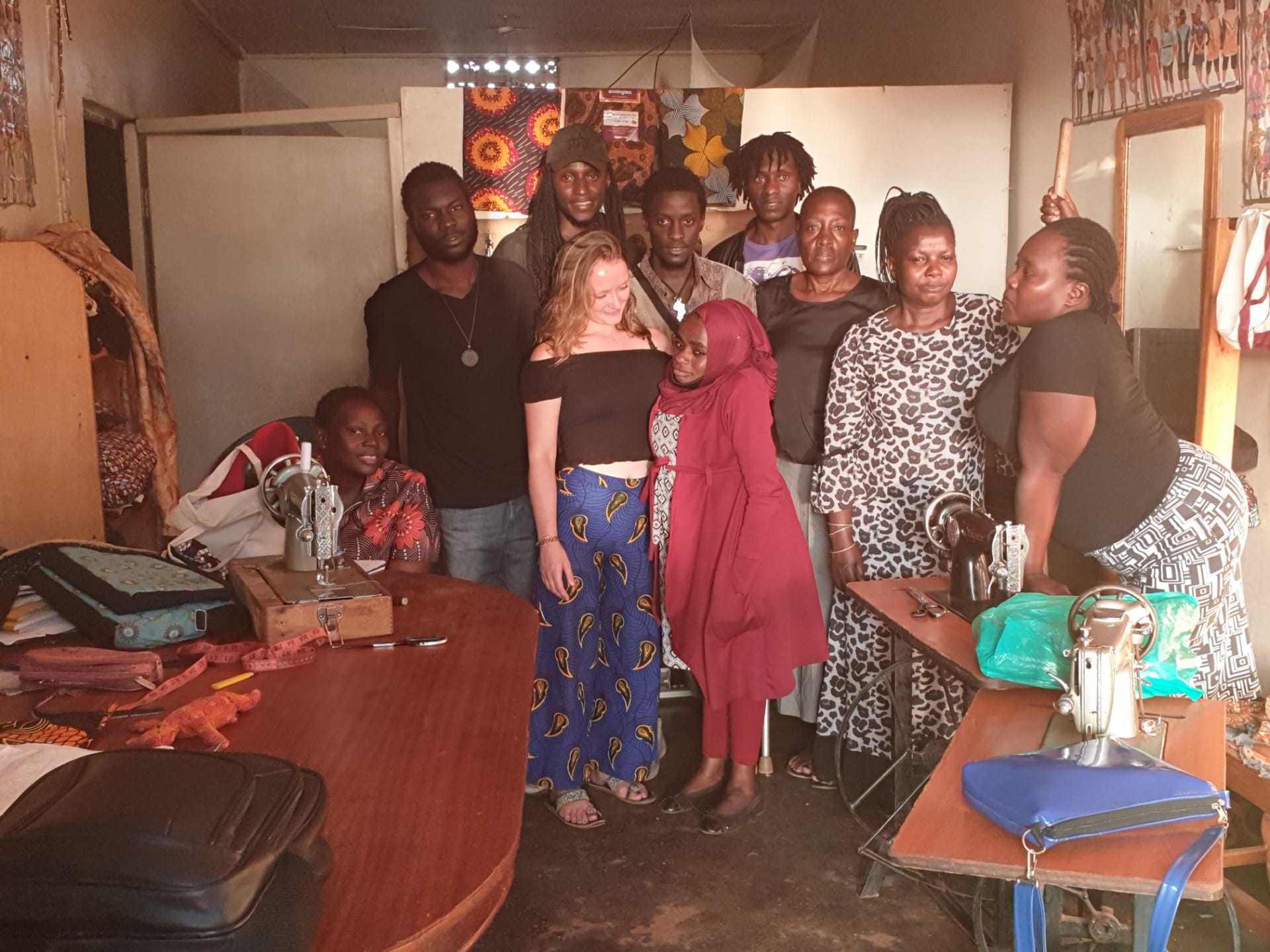
They are a group of tailors with physical disability, making it extra challenging for them to grow as a business. However, their motivation and skills have made their team and shop stand up to today even though Covid has been a difficult time for their business.Their shop is based in the capital of Kampala. 
Their team consists of 10 tailors (1 man and 9 women), 6 of which are regulars in the project. They make clothes and accessories. You can find their skirts, tote bags, slippers and kitchen sets in Mondo's shop in Estonia.  


The second group is called Kikooba ladies with ability
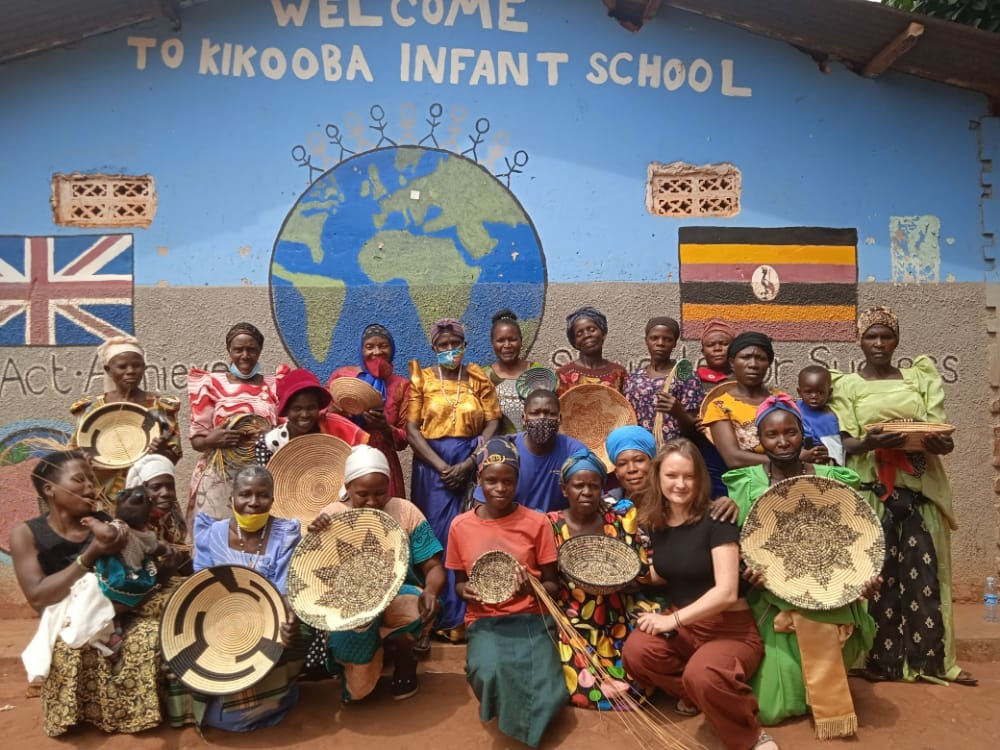
They are a group of over 25 women weaving baskets under a mango tree in a rural village called Kikooba, about 3 hours away from Kampala. 
They are strong, skilled and motivated women, training more and more as they go. Their aim is to help women in their community generate more income for their families.
It isn't easy to find quality basket weavers in Uganda, so I've been told. Mondo has supported them with quality improvement trainings, making their baskets fit for high European standards as well as attractive partners for potential local sellers. 
Mondo's shop in Estonia is one of their partners. 


The third group is called Lugoro Tutte. In the Acholi language Lugoro means "people with disability" and Tutte means "struggle" in a positive way as in fight to find work and not stay idle. Their motto is "Disability doesn't mean inability". And they are right! A lot of people in Uganda have stigmas about disability, making it difficult for them to find work and be treated as anyone else. This group came together in 1993 to fight against stigmas, show a different image of people with disability, a strong and able image. And to provide tailoring and business skills to others, in the aim of generating income and improving their livelihoods. They are located in Gulu, a city in Northern Uganda, about 8 hours away from Kampala. You can find their stuffed Kitenge animals in Mondo's shop as well.


I am now at the end of my first month working in Uganda with these 3 great groups. 
I am absolutely amazed at their motivation, sense of humor, skills and team spirits. Making me very eager to continue working together towards the sustainable growth of their businesses. 

See you in a month with updates on our work together 💥✌💗